
What Is Sona Masuri Rice and Why Is It So Popular?
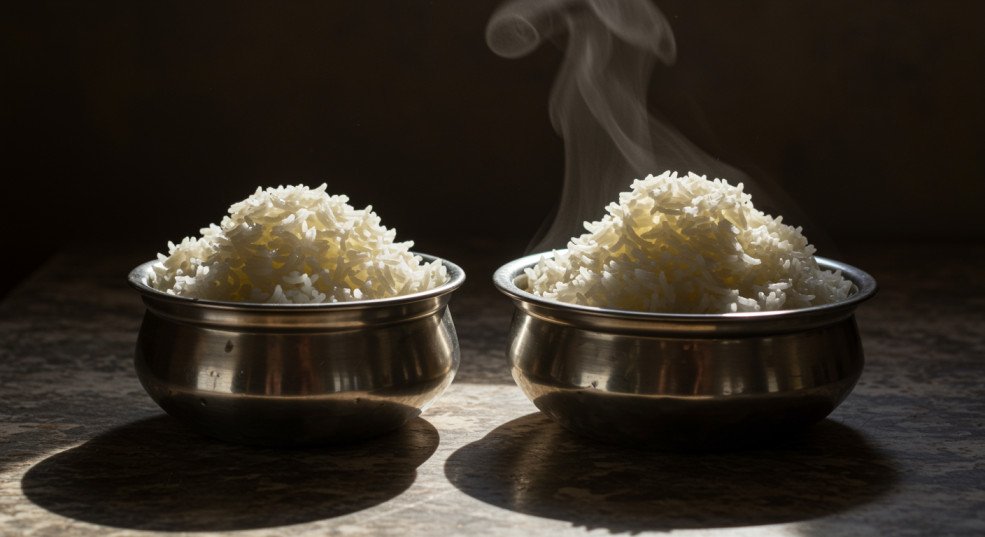
If you’ve ever lifted the lid off a pot of freshly cooked Sona Masuri rice, you know the moment — a gentle puff of steam, a soft, comforting aroma, and grains so light they almost float off the plate. It’s the kind of rice that doesn’t shout for attention; instead, it quietly wins hearts, meal after meal.
But what is Sona Masuri rice, really?
And why does it occupy such a special place in Indian kitchens - from weekday lunches to festive spreads?
Let’s step into its story.
What Exactly Is Sona Masuri Rice?
Sona Masuri (also spelled Sona Masoori) is a medium-grain, lightweight, aromatic rice variety cultivated primarily in the fertile regions of Andhra Pradesh, Telangana, and Karnataka. The name itself is a blend of two classic rice varieties: Sona and Masuri - symbolizing its lineage of quality and purity.
It’s not the long, slender grain like basmati, nor is it the thick, sticky variety used in certain regional dishes. Sona Masuri sits in the sweet spot -
soft, delicate, slightly fluffy, and wonderfully versatile.
Because of its naturally low starch content, the grains don’t clump heavily; they stay airy, making every bite light and easy to digest.
The Popularity: Why Sona Masuri Became a Household Favorite
Sona Masuri didn’t become famous overnight.
Its popularity is woven into a mix of tradition, flavor, health benefits, and everyday practicality.
Here’s what makes it so loved across India (and increasingly overseas):
1. Light on the Stomach, Easy on Digestion
It’s naturally lower in starch compared to many other rice varieties. Meals feel satisfying but never heavy — perfect for daily consumption.
2. Mild Aroma, Universal Taste
Some rice varieties have strong aromas that don’t suit all dishes. Sona Masuri has just the right touch - a subtle fragrance that blends beautifully with curries, dals, rasam, sambhar, and even curd rice.
3. Cooks Fast, Fluffs Beautifully
You don’t need a long soaking time or complicated steps. A quick rinse, a short simmer, and you get grains that separate easily.
4. Lower Calorie Profile
Because it’s lightweight and less dense, a cup of cooked Sona Masuri has fewer calories than many long-grain counterparts - contributing to its rising demand among the health-conscious audience.
5. A Kitchen Staple for Generations
For decades, Sona Masuri has been the go-to rice in South Indian homes — for weekday meals, temple prasadam, and everyday comfort foods. Its reliability has turned it into more than an ingredient — it’s part of domestic culture.
How Sona Masuri Is Grown?: The Journey from Field to Plate
The story of Sona Masuri begins long before it reaches your kitchen — long before the washing, steaming, or tempering. It starts in the open fields of Karnataka, Andhra Pradesh, and Telangana, where farmers have passed down the knowledge of growing this delicate variety through generations.
1. Sowing the Seeds (Literally and Spiritually)
Farmers prepare their fields with meticulous care, often timing the sowing with favourable monsoon patterns.
The seeds are scattered into soft, wet soil — a practice that has stayed unchanged for decades. For most farmers, this moment carries a quiet prayer. Rice is more than a crop; it’s a blessing, a livelihood, a trust placed into the hands of nature.
2. Nurtured by Monsoon Winds and Seasonal Rhythms
Sona Masuri thrives in regions where rainfall is gentle yet dependable.
The fields—shallow, shining stretches of water—become living ecosystems filled with frogs, small fish, and fluttering birds. Farmers watch water levels with the attention of a guardian, ensuring the young plants never dry out and never drown.
3. Transplanting: A Hands-on Art
Once seedlings are strong enough, they are carefully transplanted into wider fields.
This step, often done manually even today, gives Sona Masuri its signature strength and flavour. The spacing, the soil softness, and the water depth all decide how airy or fragrant your rice will be months later.
4. Golden Fields Ready for Harvest
As the crop matures, the fields shift from lush green to golden yellow — a breathtaking transformation that signals harvest time. Farmers walk through the swaying stalks, checking the grain firmness and aroma.
Sona Masuri is harvested when the grains hit the perfect balance of moisture and maturity, giving it its famously soft bite and mild fragrance.
5. Threshing, Drying & Milling
After harvesting, the rice is dried under the sun or in mechanical dryers to remove excess moisture.
Then it moves to modern mills — like Sakura’s — where the paddy undergoes:
- cleaning
- de-husking
- polishing
- grading
- colour sorting
Each stage ensures the grains remain light, clean, and true to the variety.
6. The Final Step: Your Kitchen
By the time Sona Masuri reaches your pot, it has travelled through months of careful cultivation and precision processing.
And when it fluffs up perfectly on your plate, you’re tasting more than rice — you’re tasting the journey of soil, rain, sunlight, and human dedication coming together.
Where Sona Masuri Truly Shines?
Though Sona Masuri is rooted in South Indian kitchens, its gentle aroma and feather-light grains make it a natural match for beloved dishes across India.
Everyday Staples
Steamed Rice with Dal or Rasam: Soft, steamy grains soak up every drop of rasam or dal, turning a simple meal into pure comfort.
Curd Rice: The gentle tang of curd clings to the airy grains, creating a soothing, cooling bowl you can’t help but crave.
Lemon Rice: Each grain blushes golden with lemon and turmeric, carrying little sparks of roasted peanuts and tempered spices.
Tomato Rice: Juicy tomatoes and spices wrap around the rice, giving every spoonful a warm, savory hug.
Coconut Rice: Mild, fragrant grains kissed with fresh coconut and tempered curry leaves make this a delicate, aromatic treat.
Comfort Food Delights
Pongal: A creamy, melt-in-the-mouth bowl where ghee, pepper, and cashews meet velvety rice.
Bisibelebath: The rice absorbs a rich, fragrant blend of dal, vegetables, and spices, creating a hearty spoonful of nostalgia.
Pulao: Light, separate grains lift the aroma of whole spices, vegetables, and herbs beautifully.
Khichdi: A warm, buttery mix of rice and dal that feels like a blanket wrapped around your senses.
Beyond Traditional Plates
Stir-Fried Rice: The grains stay soft yet distinct, picking up sauces and vegetables without getting heavy.
Modern Rice Bowls: A tender base that lets global flavors shine — from Asian sauces to grilled veggies to Indian chaats.
Kids’ Lunchbox Mixes: Fluffy, mild grains make the perfect canvas for flavors children love — whether masala, butter, or veggie-loaded.
Sona Masuri in the Global Market
As the Indian diaspora grows, so does the popularity of Sona Masuri.
Today, it’s exported widely to the USA, Canada, Europe, the Middle East, and Asian countries looking for a lighter, everyday rice option.
Retailers often describe it as:
“The perfect daily rice — aromatic, soft, and guilt-free.”
Its affordability compared to basmati also makes it attractive to international households seeking quality without premium pricing.
Raw vs. Parboiled Sona Masuri — Which One Should You Choose?
Both have loyal fans.
Raw Sona Masuri
- softer, fluffier texture
- ideal for steamed rice and mild dishes
- retains subtle aroma beautifully
Parboiled Sona Masuri
- firmer grains
- stays separate even after long cooking
- perfect for pulao, tamarind rice, lemon rice, or meal prep
The choice depends on your kitchen style — comfort cooking or structured dishes.
Why Is Sona Masuri More Than Just Rice?
Ask anyone who grew up eating it, and they’ll tell you — Sona Masuri tastes like home.
It's the scent of lunchboxes opened during school recess, the comfort of curd rice after a long day, the familiar feeling of festivals where lemon rice and pulihora fill the air with fragrance.
For many families, Sona Masuri is not chosen — it’s inherited.
Final Thoughts
Sona Masuri rice is a medium-grain aromatic rice variety that’s light, wholesome, versatile, and deeply rooted in Indian culinary traditions. But more than that, it’s a comfort food, a cultural staple, and a trusted companion of everyday meals.
Whether you’re rediscovering it or trying it for the first time, Sona Masuri promises something beautifully simple —
a meal that soothes, satisfies, and feels like home.
If you’re looking for Sona Masuri that’s consistently clean, aromatic, and milled with care, Sakura brings you rice sourced directly from trusted farmers and processed in a fully automated, hygienic facility. Quality you can taste, trust you can rely on every single day.

All Categories
Recent Posts
What Is Rozana Basmati Rice? – A Grain That Feels Like Home
Is Basmati Rice Good for Diabetics?

The Role of Rice in Indian Festivals
+91-9900151989
kalpatarumk@gmail.com