
Exporting Basmati Rice from India: Everything You Need to Know
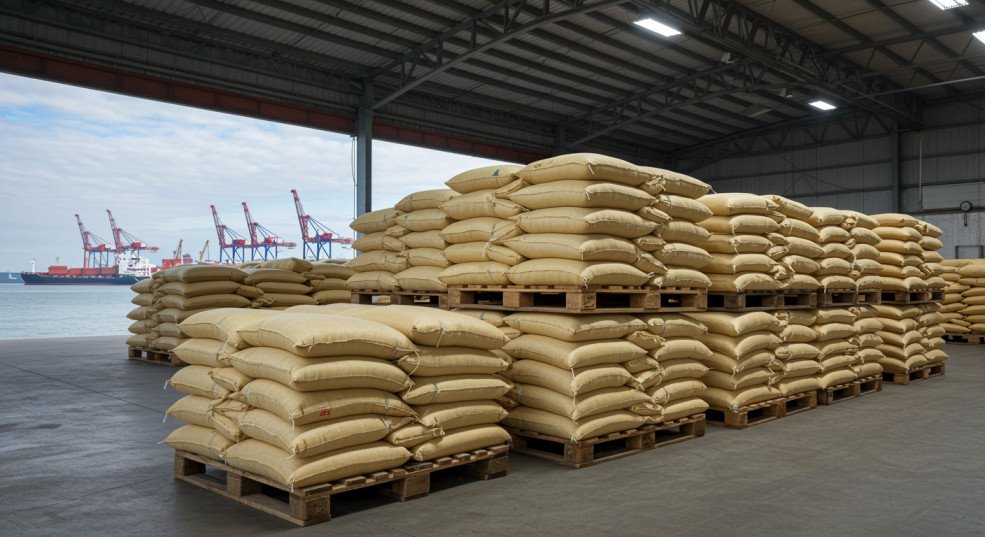
If there’s one grain that carries India’s aroma across oceans, it’s basmati. For centuries, this long, slender, fragrant rice has travelled from the farms of North India to plates around the world — from Middle Eastern biryanis to European gourmet kitchens. Today, basmati isn’t just food; it’s one of India’s most respected global exports, representing craftsmanship, quality, and agricultural heritage.
But exporting basmati rice from India isn’t as simple as loading bags onto a ship. It’s a structured process involving standards, certifications, logistics, global demand cycles, and trade regulations. Whether you’re an aspiring exporter, a business owner, or simply curious about how India feeds the world, this article walks you through every important step.
India’s Global Leadership in Basmati Rice Exports
India is the world’s largest exporter of basmati rice, supplying more than 70% of global demand.
Why does the world prefer Indian basmati?
Key Reasons
- Unique Aroma & Grain Quality: The naturally occurring 2-acetyl-1-pyrroline gives basmati its signature fragrance.
- Geographical Advantage: The Himalayan foothills provide perfect conditions for its cultivation.
- Diverse Varieties: 1121, 1509, 1718, Pusa Basmati — each known for specific grain length and cooking quality.
- Trusted Processing Standards: Modern mills, strict hygiene, and export-grade polishing/sorting.
- Long-standing global reputation built over decades.
Countries like Iran, UAE, Saudi Arabia, Qatar, Kuwait, USA, UK, Canada, and many African nations remain strong markets for Indian basmati.
Understanding Global Demand: Where Is Indian Basmati Popular?
Basmati has a universal appeal, but demand varies across regions.
Middle East & Gulf Countries: The largest importers — biryani, pilaf, and rich rice dishes make basmati indispensable.
Europe & North America: Growing popularity due to:
- Migration
- Gourmet cooking
- Preference for long-grain aromatic varieties
- Demand for steam and parboiled variants
East Africa & West Africa: Steady demand for both premium and budget-friendly basmati blends.
South-East Asia & Oceania: Slowly emerging markets, especially for specialty rice.
Understanding the target region helps exporters choose:
- The right basmati variety
- The appropriate packaging
Types of Basmati Rice Commonly Exported
Export markets don’t treat basmati as a single product.Each region prefers a specific variety based on grain length, aroma, texture, and cooking behavior. Understanding these categories is crucial because it affects pricing, demand, and buyer expectations.
1. Raw Basmati Rice
This is the classic basmati in its purest form — long, slender, naturally aromatic grains that elongate beautifully when cooked. It’s preferred in markets where consumers expect the traditional experience of basmati:
light texture
individual grains
signature fragrance
Popular in: USA, UK, Canada, premium retail stores in the Middle East.
2. Steam Basmati Rice
Steamed before milling, this variant offers stronger grains that resist breakage — ideal for restaurants and caterers handling large volumes.
Advantages include:
firmer cooked texture
minimal stickiness
retains aroma but with increased durability
Popular in: Qatar, Kuwait, Oman, large catering services.
3. Parboiled Basmati (Sella Rice): One of the most exported forms of basmati. The parboiling process hardens the grain, giving it a golden or white appearance depending on treatment. It holds shape exceptionally well, absorbs flavors easily, and never becomes mushy — making it perfect for biryanis, pilafs, and hotel kitchens.
Popular in: Saudi Arabia, UAE, Iraq, Iran, and major institutional buyers.
4. Brown Basmati Rice: With the bran layer intact, brown basmati appeals to the health-focused global audience.
Why it's gaining demand:
higher fiber
lower glycemic impact
nuttier aroma
“natural/clean label” appeal
Though niche, its demand is steadily rising in Western markets.
5. Aged Basmati Rice: Some buyers specifically request basmati aged for 1–2 years. Aging intensifies aroma and strengthens the grain further.
Premium markets: Specialty gourmet stores, luxury hotels, and Middle Eastern retailers.
6. Blended Basmati: Some African and price-sensitive markets prefer blends — basmati mixed with long-grain aromatic rice to balance cost and fragrance.
Step-by-Step Guide: How Exporting Basmati Rice from India Works
Exporting basmati is a systematic process. Here's a simplified flow:
Step 1: Company Registration
You must have:
- PAN card
- GST registration
- UDYAM registration (for MSMEs)
- Bank account in the business name
Step 2: Apply for an Importer Exporter Code (IEC)
Issued by DGFT — mandatory for all export businesses.
Step 3: Registration with APEDA
The Agricultural and Processed Food Products Export Development Authority ensures exporters follow quality protocols.
APEDA benefits:
- Access to export data
- Eligibility for subsidies
- Guidance on packaging & standards
- Listing in exporter directories
Step 4: Ensure Quality Processing & Standards
Global buyers demand:
- Low moisture
- Proper grain length
- Uniform sorting
- Zero contamination
- Good packaging
This is where automated mills like Sakura’s play an important role.
Step 5: Product Testing & Inspection
Most importers require:
- Lab test reports
- Microbiological certification
- Pesticide residue checks
- Grain length & purity validation
Step 6: Packaging & Labelling
Labels typically include:
- Rice variety
- Batch number
- Harvest year
- Country of origin (India)
- Net weight
- Manufacturer details
Step 7: Documentation
Essential export documents include:
- Commercial invoice
- Packing list
- Bill of lading
- Certificate of origin
- Phytosanitary certificate
- Fumigation certificate
- Quality test reports
Step 8: Logistics & Shipping
Exporters choose between:
- FOB (Free on Board) — buyer handles shipping
- CIF (Cost, Insurance & Freight) — exporter manages everything
Shipment time varies:
- Middle East: 12–22 days
- Europe: 25–35 days
- North America: 35–50 days
Quality Standards: What Importing Countries Look For
Different regions have different compliance requirements.
Middle Eastern Countries
- Long grain length
- Low broken percentage
- Preference for parboiled & steam rice
European Union
- Very strict pesticide and chemical residue limits
- Certification from approved testing labs
USA & Canada
- FDA compliance
- Clean packaging
- Traceability documentation
Africa
- Value-driven pricing
- Mix of raw, steam, and parboiled varieties
Exporters must stay updated with changing standards.
What Influences Basmati Export Rates?
Basmati pricing is dynamic and influenced by a combination of agricultural, economic, and market-based factors. Exporters who understand these variables can negotiate better, plan wisely, and maintain stable profitability.
1. Grain Length & Quality Grade: This is the biggest price driver.
Higher prices go to:
- 8.3 mm+ grain length (e.g., 1121)
- low broken percentage (<2–5%)
- uniform whiteness
- consistent grading
Premium varieties command noticeably higher export prices.
2. Aroma Strength
Basmati’s signature fragrance comes from 2-acetyl-1-pyrroline (2-AP).
Higher aroma → higher value.
Aged basmati has stronger aroma, pushing prices further up.
3. Processing Technology
Modern mills with:
- Japanese sortex sorting
- silky polishers
- whitening machines
- automated steaming/parboiling
- minimal breakage systems
…produce export-grade rice that fetches better rates.
Export buyers pay extra for:
- precision sorting
- contaminant-free grains
- minimal damage
- uniform color
This is where mills like Sakura create value.
4. Global Demand Cycles
4. Global Demand Cycles
Prices rise during:
- Ramadan
- Haj season
- wedding seasons in GCC countries
- festive months (Oct–Jan)
- export policy relaxations
Slowdowns occur when:
- importing countries release stock
- tariffs increase
- geopolitical tensions disrupt shipping routes
5. Harvest Quality & Monsoon Conditions
If the monsoon is too heavy or too weak, crop quality drops.
Poor harvest =
- lower availability
- shorter grains
- more breakage
- higher export prices
Strong harvest =
- steady supply
- stable pricing
6. Currency Exchange Rates: A weak Indian Rupee (INR) makes exports more attractive. A strong INR reduces exporter margins.
7. Packaging Requirements
Buyers choose between:
- bulk bags (25/50 kg)
- retail-ready packs (1–5 kg)
- private-label packaging
Retail packs cost more to produce and push up the export price.
8. Freight, Logistics & Port Charges
Shipping costs vary based on:
- route demand
- fuel prices
- container availability
- port congestion
For example:
Middle East freight is economical, while USA/Canada freight is higher.
9. Market Competition: When Pakistan releases large basmati stocks, global prices fluctuate. Buyers compare across suppliers, influencing the order value.
10. Import Regulations of Target Country
Stricter quality checks = higher cost of compliance.
Europe, for example, tests for:
- pesticide residues
- aflatoxin
- heavy metals
Compliance adds to laboratory and certification costs.
Challenges Exporters Should Be Prepared For
Exporting Basmati Rice from India is lucrative but not without challenges.
Common Issues
- Fluctuating international regulations
- Price sensitivity in certain regions
- Freight delays
- Quality rejections due to moisture or contamination
- Currency volatility
- Competition from neighboring exporters
Working with reliable processors reduces many of these risks.
How Processors Like Sakura Support Exporters?
A large part of export success depends on the quality of rice supplied by mills.
Companies like Sri Kesari Agro Industries (Sakura) add value by providing:
- Japanese automated processing
- 5-stage quality checks
- In-house laboratory testing
- Hygienic, FSSAI-certified facilities
- Steam, raw, parboiled, and premium rice variants
- Sorted, polished, export-ready grains
- Bulk supplying capacity (MOQ 50 tons)
- Fast dispatch (1–2 days domestic, 2–3 weeks export)
Exporters benefit from consistent quality and reliable supply.
Wrapping Up
Exporting basmati rice from India is one of the most rewarding segments in global agricultural trade. The world’s love for basmati continues to rise, making it a strong opportunity for businesses willing to meet quality, compliance, and market expectations. With the right knowledge — from documentation to destination markets — and reliable processors who maintain strict standards, entering this industry becomes far smoother and more sustainable.
Whether you’re exploring exports for the first time or expanding your rice portfolio, understanding this process empowers you to make informed and profitable decisions. Basmati is more than a crop — it’s an international ambassador of India’s agricultural heritage.
Sakura supports exporters with consistent, export-grade rice varieties processed using advanced technology and strict quality checks. With reliable delivery timelines and bulk capacity, we help businesses meet global demand confidently.

All Categories
Recent Posts
What Is Rozana Basmati Rice? – A Grain That Feels Like Home

Is Basmati Rice Good for Diabetics?

The Role of Rice in Indian Festivals
+91-9900151989
kalpatarumk@gmail.com