
Is Basmati Rice Good for Diabetics?
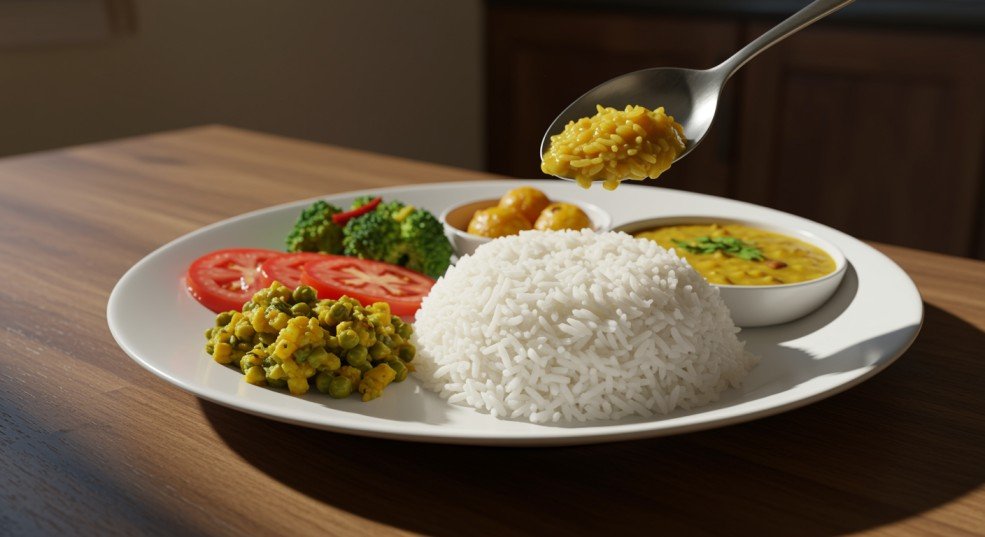
Understanding the Grain, the Myths, and the Science
Walk into any Indian kitchen around lunchtime, and you’ll find the familiar rhythm of a meal coming to life - dal simmering, vegetables crackling in a tadka, and rice slowly turning soft on the stove. For many families, rice is more than an ingredient; it’s comfort, routine, and a part of daily identity.
But as diabetes becomes increasingly common across the country, especially in households where rice is a staple, a question keeps resurfacing:
“Is basmati rice good for diabetics?”
Some avoid rice out of fear.
Some switch varieties.
Some simply don’t know what to believe.
This blog brings clarity with science, practicality, and everyday common sense.
Understanding Diabetes & How Rice Affects Blood Sugar
To understand basmati’s role, we first need to understand the basics of how rice interacts with blood sugar.
When you eat rice, your body breaks it down into glucose.
How fast this happens depends on:
- The glycemic index (GI) of the rice
- The fiber content
- The type of processing
- Portion size
- What you pair it with (protein, fat, vegetables)
People with diabetes don’t need to eliminate rice.
Instead, they need to choose varieties that digest more slowly and keep blood sugar steadier.
This is where basmati becomes interesting.
What Makes Basmati Different from Other Rice Varieties?
Basmati is naturally long-grain and aromatic, but the real advantage lies in its lower glycemic index compared to many short-grain rice types.
- Short-grain white rice: GI can range from 72–90 (high)
- Medium-grain varieties: GI varies widely
- Long-grain basmati: GI generally between 50–58 (medium)
Why the lower GI?
- Basmati grains contain a specific type of starch (amylose) that digests more slowly.
- The grain structure allows for less starch breakdown during cooking.
- Aged basmati tends to have even more resistant starch.
This means basmati rice causes a slower, steadier rise in blood sugar — a key factor for people managing diabetes.
However, this doesn’t mean unlimited basmati is safe.
It simply means it may be a preferable option among white rice varieties.
The Big Question: Is Basmati Rice Good for Diabetics?
Here’s the balanced, medically responsible answer:
Yes, basmati rice can be a better choice for diabetics compared to many other white rice varieties — when eaten in controlled portions and paired with the right foods.
Why?
- Moderate GI (not high like most white rice)
- Longer digestion time
- Less rapid glucose release
- Better portion tolerance when combined with fiber and protein
But it is not a free pass.
A diabetic diet isn’t about one “magic grain”; it’s about the whole plate.\
So yes, basmati rice is good for diabetics — but it must be eaten mindfully.
How Much Basmati Rice Is Safe for Diabetics?
For most individuals with diabetes, nutritionists recommend:
- ½ cup (90–100 g) cooked basmati per meal
- Paired with:
- A bowl of vegetables
- A source of protein (dal, paneer, eggs, chicken, legumes)
This combination slows glucose release and helps keep meals satisfying.
Portion size is more important than the type of rice.
Even the best low-GI rice can spike blood sugar if eaten in large servings.
Science-Backed Tips to Make Basmati Even Better for Diabetics
A few cooking methods improve the GI and digestion rate of rice:
Soak your rice for 20–30 minutes: This helps reduce surface starch.
Use the open-pot draining method: Excess starch washes away, lowering the glycemic impact.
Add a little fat — a spoon of ghee or oil: Fat slows down sugar absorption.
Let the rice cool and reheat: Cooling increases resistant starch, which digests more slowly.
Pair with protein and fiber: Dal, curd, vegetables, chicken, fish, paneer — all help keep sugar levels steadier. These small habits make a meaningful difference.
Myth-Busting: Rice & Diabetes (What’s True, What’s Not)
There are many myths floating around Indian households. Let’s clear them.
Myth 1: “People with diabetes must avoid rice completely.”
Fact: Portion control matters more than total elimination.
Myth 2: “Brown rice is the only safe rice for diabetics.”
Fact: Brown rice has more fiber, yes — but not everyone likes its texture. Moderate portions of basmati or parboiled rice can also fit into diabetic diets.
Myth 3: “Short-grain rice is healthier because it’s local.”
Fact: Short-grain rice generally has a higher GI than basmati. Local doesn’t always mean low GI.
Myth 4: “Cold rice is unhealthy.”
Fact: Cooling increases resistant starch, which can be helpful for diabetics.
Myth 5: “All white rice spikes blood sugar instantly.”
Fact: GI differs by variety, cooking method, and what the rice is paired with.
Breaking these myths helps people make calm, informed choices instead of living in fear of a food they’ve eaten their entire lives.
Are There Alternatives Diabetics Often Choose?
While many prefer basmati for its moderate GI, some also choose other varieties depending on preference and dietary advice.
Commonly preferred options include:
Brown Rice: Higher fiber, slower digestion, fuller feeling.
Parboiled Rice: Steamed before milling, which makes starch more resistant and reduces GI.
Certain Long-Grain or Medium-Grain Varieties: Some digest more slowly than short-grain rice; choices vary by region and taste.
Fortified Rice: Often selected for its nutrient support (when recommended).
Sakura offers several of these varieties — brown rice, parboiled rice, premium long-grain options, and fortified rice - making it easier for households to pick what suits their dietary needs.
(This is not medical advice; individuals should consult their doctor or nutritionist for personalized guidance.)
Practical Ways Diabetics Can Enjoy Basmati Safely
A few simple habits can help include rice comfortably in a diabetic lifestyle:
- Balance the plate: ½ rice + ½ vegetables, dal, or protein
- Avoid eating only rice with minimal sides
- Choose open-pot cooking over pressure cooking for lower starch
- Add vegetables directly into pulao or rice bowls
- Avoid sugary accompaniments
- Avoid second servings unless advised by a doctor
- Prefer lunch over dinner for larger portions
These are realistic, everyday habits anyone can follow.
Key Takeaway
Basmati rice doesn’t have to be feared by diabetics — it simply needs to be understood. Its moderate GI, slower digestion, and flavourful grain make it possible to enjoy without guilt, provided portions stay in check and the plate includes enough fiber and protein. For many, basmati becomes a balanced way to keep rice in their lives without disrupting sugar control.
Diabetes management isn’t about giving up food traditions; it’s about adjusting them with awareness. And when eaten thoughtfully, basmati offers a comforting middle ground between health needs and the familiar joy of a warm meal that feels like home.
At Sakura (Sri Kesari Agro Industries), we offer a wide range of rice varieties — from brown and parboiled to premium long-grain options — all processed with strict hygiene, modern milling technology, and trusted quality checks. So you can choose the rice that fits your household’s taste, lifestyle, and wellbeing.

All Categories
Recent Posts

What Is Rozana Basmati Rice? – A Grain That Feels Like Home

Is Basmati Rice Good for Diabetics?

The Role of Rice in Indian Festivals
+91-9900151989
kalpatarumk@gmail.com