
How Many Varieties of Rice in India? A Journey Through the Nation’s Most Loved Grain
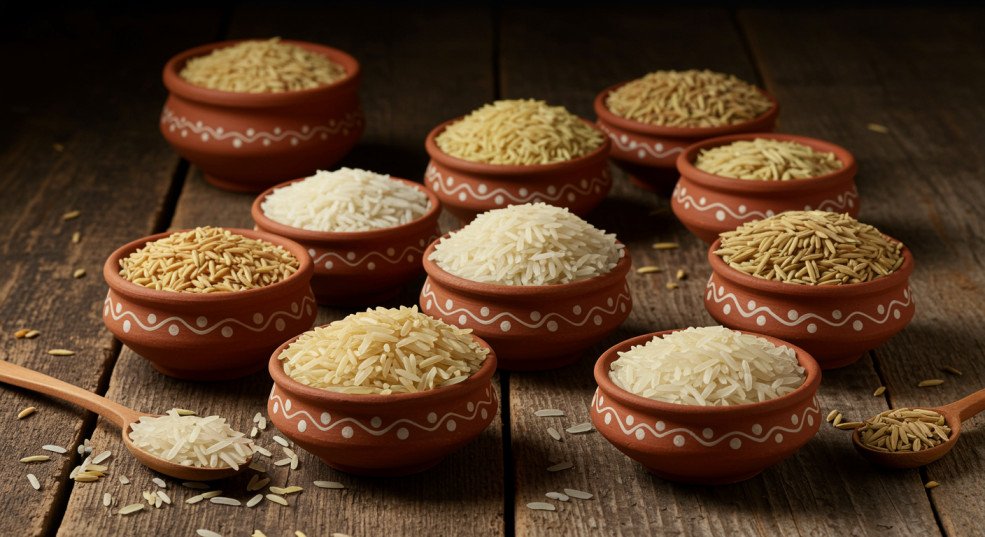
If there is one food that India doesn’t just eat but feels, it is rice.
From the first soft morsel fed to a baby, to the steaming bowl waiting after a long day, to the offerings placed in temples, rice follows Indians through every chapter of life. It carries the fragrance of childhood kitchens, the comfort of festive meals, and the weight of centuries of tradition.
And that is why India grows more kinds of rice than almost any other country on earth. Each region treasures a different grain, shaped by its soil, water, climate, and culture.
To understand the varieties of rice in India is to understand the country itself.
Let’s step into this vast, fragrant world.
Why Does India Have So Many Rice Varieties?
India’s diversity is not just cultural — it is agricultural. Our landscapes shift dramatically every few hundred kilometres, and rice has adapted to each of them over thousands of years. That’s why every region carries its own signature grain.Climate
Cool northern plains, humid coasts, and rainy hills shaped grains differently. Cooler regions developed long, fragrant varieties like Basmati, while warmer zones encouraged softer, starchier grains perfect for everyday meals. Flood-prone states even evolved floating and deep-water rice that grows as water rises.Soil
Alluvial river basins, red soil belts, mineral-rich plains, and coastal patches give each rice its character. The soil decides whether a grain becomes fluffy, firm, aromatic, or nutty — which is why the same variety behaves differently when grown elsewhere.Water Availability
Some varieties flourish with just monsoon showers. Others are built for deep paddies, drought-prone fields, or seasonal floods. Farmers refined rice to match water conditions, creating grains that survive extremes from drought to submergence.Cultural Preferences
Food traditions guided what people grew:- Long, fragrant grains for biryanis and festive meals
- Short, sticky grains for sweets and temple offerings
- Soft, fluffy grains for daily comfort food
- Parboiled grains for coastal regions that demanded longer shelf life
Ancient Farming Traditions
For centuries, farmers saved seeds that tasted better, survived better, or suited their community’s needs. Rice wasn’t a crop, it was heritage. This patient seed-keeping across generations led to countless local varieties, many still grown in small pockets today.Broad Categories of Rice in India
A. Based on Grain Length
Long-Grain Rice: Elegant, slender grains used for biryanis, pulaos, and festive dishes. Medium-Grain Rice: Soft, slightly plump grains used for idlis, Pongal, curd rice, and everyday meals. Short-Grain Rice: Sticky, fragrant varieties perfect for sweets, prasadams, and traditional dishes.B. Based on Processing
Raw Rice: Freshly milled, retaining its natural aroma and softness. Steam Rice: Steamed before milling, giving it a firmer texture. Parboiled Rice: Partially boiled in husk; nutritious, sturdy, and loved in coastal regions. Brown Rice: Bran-intact rice that retains fiber and nutrients. Black Rice: Naturally purple-black, rich in antioxidants. Red Rice: Mineral-rich grains with earthy flavour.C. Based on Aroma
Aromatic Rice: Fragrant varieties like Basmati, Jeeraga Samba, Ambemohar, Gobindobhog. Non-Aromatic Rice: Subtly scented or neutral-flavoured varieties used daily across India.Iconic Rice Varieties Across India
India’s rice map is a collage of flavours, textures, and emotions. Here are some of the iconic varieties that define regional cuisines.North India
Basmati: India’s most celebrated long-grain rice — fragrant, slender, and prized globally. Ideal for biryani and pulao. Sugandha & Sharbati: Aromatic alternatives to Basmati with softer aroma and great cooking quality.South India
Sona Masoori: Light, airy, slightly fragrant — perfect for everyday meals. Loved for its gentle bite and low starch. Ponni Rice: A staple in Tamil Nadu; soft, mildly sweet, and excellent for sambar rice and curd rice. Jeeraga Samba: Tiny, aromatic grains that make Chettinad biryani unforgettable. Kaima / Jeerakasala: Short, fragrant grains used in Malabar biryani — rich, buttery, luxurious.East India
Gobindobhog: Creamy, aromatic short-grain rice used in khichuri and Bengali sweets. Katarni Rice (Bihar): Aromatic heritage variety with deep traditional roots. Joha (Assam): Naturally high in aroma, used for pulao and traditional Assamese dishes.West India
Wada Kolam (Maharashtra): Soft, mild grains loved for home-style meals. Ambemohar: Named for its mango-flower fragrance; perfect for festive dishes.North East India
Chak-Hao (Black Rice): Purple-black grains used in rice puddings; rich in antioxidants. Bao Dhaan: A deep-water rice variety grown without transplantation — truly unique.Ancient & Heritage Rice Varieties
India’s relationship with rice goes back over 5,000 years. Some varieties have survived from ancient times: Navara Rice (Kerala): Used in Ayurveda for strength-building and therapeutic foods. Kavuni (Tamil Nadu): An heirloom black rice cherished by royalty centuries ago. Karuppu Kavuni, Mappillai Samba, Kullakar: Heritage grains regaining popularity for their unique flavours and health benefits. Red Rice Varieties (Kerala, Karnataka, Goa): Traditionally grown in coastal belts, rich in minerals and deep flavour.Everyday Rice Varieties Indians Use
India’s kitchens use rice in endless ways. Each region chooses varieties that suit its dishes:Soft, Everyday Meals
- Sona Masoori
- Ponni
- Raw medium-grain varieties
Steamed Idlis & Dosas
- Idli-dosa rice blends
- Parboiled rice
- Medium-grain raw rice
Festive Meals
- Basmati for biryanis
- Jeeraga Samba for Chettinad feasts
- Gobindobhog for sweets
Coastal Cuisine
- Parboiled rice
- Red rice
- Kaima rice
Modern Choices
- Brown rice
- Black rice
- Single-origin indigenous varieties
How Modern Processing Keeps Traditional Varieties Alive?
While India’s rice heritage is ancient, today’s processing ensures that traditional varieties reach consumers clean, safe, and consistent. Modern mills use:- destoners
- polishers
- graders
- colour sorters
- moisture control and hygiene systems
Parting Message - A Country Told Through Its Rice
To answer the question “How many varieties of rice in India?” is to open a doorway into a food culture that is rich, emotional, and deeply rooted. India doesn’t just grow rice — it celebrates it. Every variety is shaped by rain, soil, heritage, festivals, and generations of people who have nurtured it like an heirloom. From fragrant basmati to humble Sona Masoori, from heirloom reds to aromatic short grains, rice connects kitchens, families, and regions across the country. It is nourishment, tradition, memory, and identity — all held within a grain. For those who appreciate authenticity in every grain, Sakura brings trusted varieties like Sona Masoori, RNR, BPT, IR-64, brown rice, steam, parboiled, and premium selections — sourced directly from farmers and processed with precision in a modern, hygienic facility. Quality that honours India’s rice heritage, right from field to plate.
All Categories
Recent Posts
cbleulabs@gmail.com0 Comments
What Is Rozana Basmati Rice? – A Grain That Feels Like Home
cbleulabs@gmail.com0 Comments
Is Basmati Rice Good for Diabetics?
cbleulabs@gmail.com0 Comments
The Role of Rice in Indian Festivals
+91-9900151989
kalpatarumk@gmail.com